Latest News

Showing posts with label baby skin. Show all posts

MELANOMA RATES DROPPING AMONG CHILDREN AND TEENS

Written By Unknown on Friday, May 6, 2016 | 5:55 AM

Melanoma, characterized by mole-like cancerous growths, is on the rise in the U.S. The most serious form of skin cancer, it’s particularly rising among women and seniors. But what about kids?

While melanoma is significantly less common among children, five to six kids in every million develop melanoma in their youth. It takes just a few blistering sunburns to double the chance a child will develop skin cancer in her lifetime.

But while studies in years past suggested the rate of melanoma in children was also rising, the newest research says the opposite. Last summer, researchers at Case Western Reserve University in Cleveland and its affiliated medical center reported in the Journal of Pediatrics that the rate of melanoma diagnoses in children and adolescents is actually declining.

Researchers analyzed data from the Surveillance, Epidemiology, and End Results registry of the National Cancer Institute on more than 1,100 people under 20 years old who were diagnosed with melanoma between 2000 and 2010. Melanoma rates dropped by nearly 12 percent from 2004 to 2010, with the largest decline among teens and boys.

The researchers can’t pinpoint one particular cause of this trend, but growing awareness about sun safety may be responsible. Research indicates that teenagers are taking more steps, such as applying sunscreen, to protect themselves from damaging sun exposure. The authors also suggest that parents are becoming more proactive in safeguarding their young children.

They speculate that a negative trend may contribute to the decline as well: children, particularly boys, are spending more time playing video games and watching TV. That’s nothing to celebrate, as playing indoors may mean less harmful sun exposure, but also less exercise and other physical activity.

Whatever the cause, we hope the rates of pediatric melanoma keep dropping. The National Cancer Institute estimates more than 75,000 cases of adult melanoma in the U.S. this year. A lower risk of pediatric melanoma could mean fewer diagnoses when these children reach adulthood.

We encourage parents to continue to take healthy steps to protect their children from harmful sun exposure. Here are some helpful tips for the whole family:

Cover up

Wear protective clothing such as hats, visors, dark sunglasses, long sleeves and pants to block harmful UV rays.

Stay in the shade

While outdoors, seek shelter under overhangs, canopies, trees and awnings. Stroller hoods and umbrellas offer extra protection for little ones. Keep infants under six months out of direct sun.

Wear sunscreen

Look for sunscreen lotions – not spray or sticks – with zinc or titanium as the active ingredients (avoid oxybenzone or retinyl A). Apply liberally and reapply frequently, especially when swimming, sweating or playing in water.

Watch the clock

Harmful UV rays peak midday, so schedule errands and playtime during morning or late afternoon.

Be safe on the go

Pack diaper bags, purses and backpacks with sun safety essentials such as hats and sunscreen. Keep extra at your school, office or in the car.

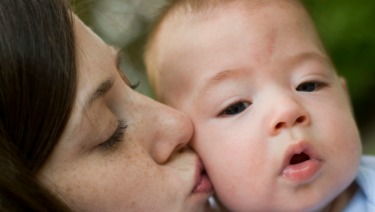
The Importance of Skin to Skin Contact

Written By Unknown on Sunday, February 14, 2016 | 10:33 PM

There are now a multitude of studies that show that mothers and babies should be together, skin to skin (baby naked, not wrapped in a blanket) immediately after birth, as well as later. The baby is happier, the baby's temperature is more stable and more normal, the baby's heart and breathing rates are more stable and more normal, and the baby's blood sugar is more elevated. Not only that, skin to skin contact immediately after birth allows the baby to be colonized by the same bacteria as the mother. This, plus breastfeeding, are thought to be important in the prevention of allergic diseases. When a baby is put into an incubator, his skin and gut are often colonized by bacteria different from his mother's.

We now know that this is true not only for the baby born at term and in good health, but also even for the premature baby. Skin to skin contact and Kangaroo Mother Care can contribute much to the care of the premature baby. Even babies on oxygen can be cared for skin to skin, and this helps reduce their needs for oxygen, and keeps them more stable in other ways as well.

From the point of view of breastfeeding, babies who are kept skin to skin with the mother immediately after birth for at least an hour, are more likely to latch on without any help and they are more likely to latch on well, especially if the mother did not receive medication during the labour or birth. As mentioned in "Breastfeeding - Starting out Right", a baby who latches on well gets milk more easily than a baby who latches on less well. When a baby latches on well, the mother is less likely to be sore. When a mother's milk is abundant, the baby can take the breast poorly and still get lots of milk, though the feedings may then be long or frequent or both, and the mother is more prone to develop problems such as blocked ducts and mastitis. In the first few days, however, the mother does not have a lot of milk (but she has enough!), and a good latch is important to help the baby get the milk that is available (yes, the milk is there even if someone has "proved" to you with the big pump that there isn't any). If the baby does not latch on well, the mother may be sore, and if the baby does not get milk well, the baby will want to be on the breast for long periods of time worsening the soreness.

To recap, skin to skin contact immediately after birth, which lasts for at least an hour has the following positive effects on the baby:
  • Are more likely to latch on
  • Are more likely to latch on well
  • Have more stable and normal skin temperatures
  • Have more stable and normal heart rates and blood pressures
  • Have higher blood sugars
  • Are less likely to cry
  • Are more likely to breastfeed exclusively longer
There is no reason that the vast majority of babies cannot be skin to skin with the mother immediately after birth for at least an hour. Hospital routines, such as weighing the baby, should not take precedence.

The baby should be dried off and put on the mother. Nobody should be pushing the baby to do anything; nobody should be trying to help the baby latch on during this time. The mother, of course, may make some attempts to help the baby, and this should not be discouraged. The mother and baby should just be left in peace to enjoy each other's company. (The mother and baby should not be left alone, however, especially if the mother has received medication, and it is important that not only the mother's partner, but also a nurse, midwife, doula or physician stay with them—occasionally, some babies do need medical help and someone qualified should be there "just in case"). The eyedrops and the injection of vitamin K can wait a couple of hours. By the way, immediate skin to skin contact can also be done after cæsarean section, even while the mother is getting stitched up, unless there are medical reasons which prevent it.

Studies have shown that even premature babies, as small as 1200 g (2 lb 10 oz) are more stable metabolically (including the level of their blood sugars) and breathe better if they are skin to skin immediately after birth. The need for an intravenous infusion, oxygen therapy or a nasogastric tube, for example, or all the preceding, does not preclude skin to skin contact. Skin to skin contact is quite compatible with other measures taken to keep the baby healthy. Of course, if the baby is quite sick, the baby's health must not be compromised, but any premature baby who is not suffering from respiratory distress syndrome can be skin to skin with the mother immediately after birth. Indeed, in the premature baby, as in the full term baby, skin to skin contact may decrease rapid breathing into the normal range.

Even if the baby does not latch on during the first hour or two, skin to skin contact is still good and important for the baby and the mother for all the other reasons mentioned.

If the baby does not take the breast right away, do not panic. There is almost never any rush, especially in the full term healthy baby. One of the most harmful approaches to feeding the newborn has been the bizarre notion that babies must feed every three hours. Babies should feed when they show signs of being ready, and keeping a baby next to his mother will make it obvious to her when the baby is ready. There is actually not a stitch of proof that babies must feed every three hours or by any schedule, but based on such a notion, many babies are being pushed into the breast because three hours have passed. The baby not interested yet in feeding may object strenuously, and thus is pushed even more, resulting, in many cases, in babies refusing the breast because we want to make sure they take the breast. And it gets worse. If the baby keeps objecting to being pushed into the breast and gets more and more upset, then the "obvious next step" is to give a supplement. And it is obvious where we are headed

WHAT CAUSED YOUR CHILD’S ALLERGIC SKIN REACTION?

Written By Unknown on Monday, January 25, 2016 | 11:00 PM

Uh-oh. Your child has developed a red, itchy, or sore rash.

Your little one may have a case of contact dermatitis, an eczema-like skin condition caused by touching something that triggers an allergic reaction or irritates the skin.

If the reaction is serious, talk to your doctor about a referral for allergy testing to determine the source. But for minor reactions, some easy sleuthing at home can help you figure out if a common allergen is to blame. Here are the worst – and most likely – offenders:

Metals

The American Academy of Dermatology estimates that 11 million children in North America are allergic to nickel, so this or another metal might have set off your child’s skin allergy. Clothing fixtures such as zippers and hooks or jewelry, including watch straps, are all easy ways we come into contact with metals. Face paints may also contain traces of heavy metals, and for older children, cosmetics could be the problem.

Preservatives

Carefully read the labels of body care product your child uses. An ingredient could be responsible. Methylisothiazolinone (MI) and formaldehyde releasers such as 2-bromo-2-nitropropane-1,3 diol (bronopol), diazolidinyl urea and DMDM hydantoin are potent skin allergens.

Manufacturers add MI to body washes, moisturizers, sunscreens, baby wipes and even products labeled “hypoallergenic.” Bronopol turns up in some CVS diaper wipes and cosmetics products such as facial cleansers, nail polish and moisturizers. Watch out for diazolidinyl urea and DMDM hydantoin in hair styling products, shampoos, conditioners and body washes.

Not sure if your family’s favorite products contain these or other allergenic ingredients? Search EWG’s Skin Deep database to find out.

Botanical Allergens

Plant-based essential oils such as lavender, tea tree or citrus are popular in “natural” personal care products in place of chemical fragrances. Because the concentration of these oils can vary, they can easily trigger allergic reactions in people with sensitive skin.

Parents often notice these reactions after using botanical bug repellents, which commonly contain citronella, clove, geranium, lemongrass, peppermint or rosemary oils, or oil of lemon eucalyptus. Click here to learn about safer ways to beat bug bites.

Tips for parents:

Need help sleuthing? Allergic reactions typically break out where an allergen touches the skin, so the location of your child’s rash may indicate which allergen is responsible. Is the rash on your child’s face or hands? A personal care product, like lotion, may be to blame. Around your child’s wrist? Watch strap. At a certain spot on the chest? Zipper. Baby’s behind? Diaper wipe.

Reactions may occur immediately after contact – making it easier to isolate the cause – or after a long period of exposure. Keep both in mind when investigating possible sources.

Always contact a medical professional if your child shows symptoms of a serious skin reaction, particularly if she shows any sign of infection, such as a fever.

Take heart: Allergic reactions often clear quickly and are generally avoidable once you determine the culprit.

By Megan Boyle

Bringing Baby Home: How to Prepare for the Arrival of Your Newborn

Written By Unknown on Wednesday, January 13, 2016 | 11:49 PM

One of the most cautious drives you’ll ever take is the one bringing your baby home with you. Newborns look and feel fragile, and they represent a new of world of uncertainty. Here’s what you need to know to make your transition to parenthood easier.
It’s true: There’s no official instruction manual for becoming a parent.
But relax. You’re not the first parent to wonder why you’ve been entrusted with a little person without an instruction manual. The 40 weeks (give or take) of pregnancy allow time for more than just picking out names; it’s your opportunity to plan and prepare. The more you know about your newborn, the better equipped you’ll be when she arrives.
Once your baby is born, doctors will be looking for a few key signs that she is healthy and ready to go home, says Vinod K. Bhutani, M.D., FAAP, professor of pediatrics at Lucile Packard Children’s Hospital at Stanford University School of Medicine. “First they will want to see that the baby is able to breathe well and maintain her body temperature,” says Dr. Bhutani, who is also a member of the American Academy of Pediatrics (AAP) Committee on Fetus and Newborn.
Newborns must also demonstrate that they can feed well. Regardless of whether she’s breastfed or bottle-fed, all babies should be wetting at least three or four diapers in a 24-hour period, says Dr. Bhutani. And while many newborns have some jaundice — a yellowish tint to their skin — their jaundice will be evaluated before they’re sent home from the hospital. If necessary, your pediatrician will discuss a follow-up plan for monitoring your baby’s jaundice.

Healthy at Home


Most healthy newborns go home after two or three days, yet the transition for parents is just beginning. “It’s OK to be a little scared — the first week after babies are born is when they’re most vulnerable,” says Dr. Bhutani. “Newborns can have multiple medical problems that if left unattended can become serious.”
Dehydration is sometimes a concern for newborn babies that can continue once they’ve left the hospital. Your pediatrician will discuss dehydration with you so you’llknow what to look for, how to respond, etc.
Parents should also watch for signs of infection in their newborn. Infections can be picked up during birth or from people other than the parents handling the baby, such as visitors. “Most people think only of fevers, but newborns can have dropping temperatures or a low temperature that’s of concern,” says Dr. Bhutani. It’s always wise to watch for signs of infection around the belly button or circumcised foreskin, such as poor sucking during breastfeeding, a lack of appetite, poor weight gain, weak crying, and increasing irritability.
Jaundice happens in most every baby, peaking in the first week as newborns learn to excrete the yellow pigment called bilirubin in their stools. “Babies tend to have slow liver function at first and may have some evidence of jaundice as their livers quickly mature over the first several days,” write Drs. Laura Jana and Jennifer Shu in Heading Home With Your Newborn. “The bilirubin level generally peaks by about 5 days for term babies and about 1 week for those born prematurely.” If your baby continues to have signs of jaundice — very yellowish skin and eyes — after day four, consult your pediatrician.
Although most babies remain perfectly healthy after they’re discharged from the hospital, it’s important to watch for any signs of illness and take your child to the pediatrician for evaluation within a day or two of leaving the hospital. “Every baby needs to be seen by a pediatrician on day three, four, or five,” says Dr. Bhutani. “It’s a must.”

Finding a Pediatrician


As a new parent, it’s important to find a pediatrician with whom you feel comfortable. If your child becomes ill, you want to have a good working relationship with a doctor you trust and respect, and who will be there to support you.
Begin by evaluating the pediatrician practices in your local area. Determine whether it matters to you if you have a male or female pediatrician. Be aware that while it’s all the same to infants, some children as they get older feel more at ease working with a doctor of the same sex. If possible, visit the offices and meet the physicians in person. Or find out if your hospital has a “Meet the Doctors” night attended by area pediatricians.
Since you’ll be visiting a pediatrician shortly after bringing your child home, don’t leave this task until the last minute. “You have nine months to plan. You should always choose your pediatrician beforehand,” says Dr. Bhutani.

Quick Tips: Time to Call the Doctor


Watch for these signs that it’s time to call your pediatrician:
  • Your newborn’s breathing is faster or irregular
  • You notice blueness or a darkness on the lips or face 
  • Your newborn has a fever 
  • Your newborn’s body temperature has dropped
  • You see signs of dehydration (less than 3 to 4 wet diapers in a 24-hour period)
  • Your baby’s belly button or circumcision area looks infected
  • Your newborn’s jaundice does not decrease by the fifth day 
  • Your baby is crying a lot or appears sluggish
  • You think your baby is not looking or feeling well

Quick Tips: Choosing a Pediatrician


The following are a few questions from the AAP to help you select a pediatrician:
  • What are the office hours? Is emergency coverage available 24/7?
  • Which hospital does the pediatrician use?
  • Do they accept your insurance plan and how does the office process billing and claims?
  • What are the qualifications of the pediatrician? Is he or she an AAP member (i.e., “FAAP,” a Fellow of the American Academy of Pediatrics)?

Using Tap Water to Wash My Baby - Is This Safe?

Written By Unknown on Thursday, December 24, 2015 | 11:49 PM

Is it safe using tap water to wash my baby? This question is quite prevalent among first time mothers of a new born child. If you are also asking this question for yourself then it is a good sign that you are very concerned about the safety of your child, when it comes to using tap water for washing your baby.

To answer your question on using tap water to wash your baby, keep in mind that most tap water nowadays is contaminated with all sorts of things that may be harmful for both young ones and adults. In fact, these chemicals are usually in the form of chemical contaminants and various harmful microorganisms that can cause several health issues.

Consequently, the presence of various contaminants in the tap water has already caused many waterborne diseases. Research has shown that about 65% of adult health problems were traced to contamination in water; while around 85% of health issues in children are water-borne. This is due to the fact that most tap water today is already contaminated with various microorganism that are harmful to humans. This data alone should alert you on the safety of tap water in various uses like drinking, for mixing with baby formula, washing, and showering.

Bear in mind the fact that if tap water can cause various health illnesses and skin problem to adults, just think about how much damage it can do to the very fragile baby with a very weak immune system. You must observe extra precautionary measures when using water to clean and wash your infant by using only filtered or purified water for utmost safety of the child. This may be quite costly on your part; but it will also tend to become more cost-effective in the long run by preventing sicknesses and other water-borne health problems on the child which may usually require more expensive treatment.

But setting the cost aside, what is important is the health of your baby; even it may require you to spend a little bit just to make sure that the child is safe. In this case, it is best to use only purified or filtered water.

D Leveque has built his career installing and servicing water filtration systems and is offering his experience about reliable clean water for everyone. To learn more about these systems including, Reverse Osmosis, water ionizers, well and lake water systems visit Daves website, http://clean-water-store.com

Author,
D Leveque

Baby Birthmarks & Rashes

Written By Unknown on Friday, December 11, 2015 | 4:32 AM

Many babies also get rashes or have birthmarks. In this article, seven kinds of rashes and birthmarks are discussed.

Mongolian Spots

These birthmarks can vary considerably in size but are all flat areas of skin that contain extra pigment, which causes them to appear brown, gray, or even blue (like a bruise). Most often located on the back or buttocks, Mongolian spots are very common, especially in dark- skinned babies. They usually disappear before school age and are of no medical significance.

Pustular Melanosis

Small blisters that typically appear at birth, they peel open and dry up within a couple of days. They leave dark spots like freckles that usually disappear over several weeks. Some newborns may have only the spots, indicating that they had the rash before birth. While pustular melanosis is common (particularly in babies with darker skin) and is a harmless newborn rash, it is always important to have all blister like rashes evaluated by your baby’s doctor to make sure they aren’t due to an infection.

Milia

These tiny white bumps or yellow spots are found on the cheeks, chin, or across the tip of the nose, and are caused by skin-gland secretion. This common newborn rash generally disappears on its own within the first two to three weeks of life.

Miliaria

Often referred to as a “heat rash” or “prickly heat,” miliaria most often occurs in hot, humid climates or when babies are over-bundled. The rash can contain tiny sweat blisters and/or small red bumps. It shows up most often in skin folds and covered areas, and usually goes away within a few days.

Erythema Toxicum

Often called “E tox” for short, this rash is very common and usually appears within the first few days after birth. It consists of multiple red splotches with yellowish-white bumps in the center, and goes away within a week or so. It generally resolves if it’s left completely alone.

Capillary Hemangiomas

These raised red spots are caused by a strawberry-like collection of blood vessels in the skin. For the first week or so, they may appear white or pale, then turn red later. While they often enlarge during the first year, most shrink and almost disappear by the time a child reaches school age usually without requiring treatment.

Port Wine Stain​

Large, flat, and irregularly shaped dark red or purple areas. Caused by extra blood vessels under the skin, port wine stains are usually located on the face or neck but, unlike hemangiomas, don’t disappear without treatment. These birthmarks can be treated, sometimes with laser surgery by either a plastic surgeon or a pediatric dermatologist. 
If your baby was born vaginally, in addition to the elongated shape of his head, there also may be some scalp swelling in the area that was pushed out first during birth. If you press gently on this area, your finger may even leave a small indentation. This swelling (called caput) is not serious and should disappear in a few days.

One of my baby's eyes is watery and sticky. What's causing this?

Written By Unknown on Thursday, December 3, 2015 | 6:05 AM

These symptoms could be due to conjunctivitis or possibly due to a blocked tear duct. 

Tears are made in glands called the lacrimal glands which are up in the outer part of the eye socket. They run across the eyeball and are drained away by a duct which leads to the nose. Babies are often born with a duct that is not fully open so the tears are unable to drain away. 

In nearly all cases the duct is open by the age of two and in many cases by the age of one. In the meantime your baby's eye may be very watery and more prone to conjunctivitis. 

Treatment is usually with the same antibiotic drops that we use for conjunctivitis. In addition it may help to massage the lacrimal sac, which is part of the drainage system, on a regular basis. Your doctor can show you how to do this. 

The majority of blocked tear ducts get better by themselves. Those cases which don't get better can usually be treated by a small operation in which a new channel is made into the nose. This is called "probing" and is usually done under general anaesthetic when your child is older. 

Author,


Morag Martindale

Baby Acne – Causes and Treatments

Written By Unknown on Thursday, October 29, 2015 | 4:30 AM

Baby acne is a very common condition among newborn babies. Baby acne can be present at the time of birth or may usually develop within 2 to 4 weeks after birth. Baby acne is a result of the hormonal changes in the body as these changes stimulate the oil glands in the baby's skin.

Baby acne, as with all medical conditions, has some common symptoms. Usually the acne first appears to be a rash with small pimples that are red in appearance. Sometimes, whiteheads can actually be seen. The pimples will tend to show up more when the baby is upset or overheated and at times they may even seem as though they are not there at all. Baby cane will clear up with time and are not something that young mothers should be overly concerned about.

Baby acne is primarily caused by fetal hormones, such as adrenal androgens, that are passed through the placenta prior to birth. Drugs, taken by the nursing mum or by the baby, can also trigger baby acne. The most common ones include: Steroids (oral or topical), anti-depressant medicines and occasionally oral contraceptives.

What causes baby acne?

There are several factors that can cause acne on the skin of the baby.

* As with adolescent acne, the condition can be caused by a skin irritation

* Medicines can causes baby acne as well

* It's possible that mineral oil or petroleum can cause baby acne.

Bad Nutrition

Since your baby cannot pick up bad eating habits at this early age, infantile acne due to bad nutrition is very rare. Bad nutrition can be the cause of infantile acne if parents are not attentive toward their babies' diet.


Does Baby Acne Hurt? More often than not, you will be more affected by your baby's acne than she is. Baby acne does not itch, sting, or hurt in any way. And she is too young to notice her unsightly appearance. So it is more likely that baby acne will bother you, than your baby. However, with severe cases of baby acne, the blemishes may become so swollen and inflamed that they cause or add to your baby's fussiness. See your health care provider if you think your baby's acne is causing her aggravation.

Treatment:

Baby acne usually goes away by itself. It is sufficient in most cases to do some gentle facial cleansing once or at most twice a day using a mild baby cleanser and clean water. Do not scrub baby's face, this will not help and may be counterproductive. Don't apply lotions or potions or oils. Don't look for fancy baby acne remedies, don't try applying vinegar solution for baby acne as some do Unless baby's acne is being caused by an underlying condition, there is really no need to treat it. It doesn't harm your baby and is purely a cosmetic issue. Gently wash your baby's face with plain water once or twice per day, and don't scrub. Cleansing that is too frequent or too vigorous will irritate your baby's skin.

Prevention

· Child should not sleep on dirty pillows.

· Drink fresh fruits juices and large amount of water.

· Do not squeeze, dig, touch or pick the acne.

· Use paper towels to pat the affected area dry and throw it away.

Author,

Peterhutch

Benefits and Risks of Infant Massage

Many adults have been on the receiving end of a massage. How great does it feel when your tired and achy body gets to relax? Adults go for massages not only for physical but also emotional and mental relaxation. After being in work or running after kids all day, most adults deserve a good massage.

What about infants, though? Do they really need a massage? What do they really need to relax from, aren't their lives relaxing enough? While an infant massage may be relaxing it is also a great bonding experience between mothers and babies or fathers and babies.

1. What Is Infant Massage?

Infant massage has been becoming very popular not only among celebrities but with the "average Joe's" as well. Even though it's popularity has been rising in the United States of America over the past thirty years, infant massage is in no way new to other countries. As we find new information about this infant relaxation technique, we find that mother's have been massaging babies for hundreds of years.

Infant massage is exactly what it sounds like... a massage for an infant. While parents alone can attend to the baby during the massage, there are also certified infant massage therapists. Babies are usually massaged in a diaper, alone. This allows for more skin to skin contact, which studies show to be beneficial for the baby.

Babies need to be in a very relaxed mood and for optimal results should not be cranky, overtired, hungry, or irritable. Mothers, fathers, or whomever is attending to the baby should use a baby friendly oil such as baby oil. After rubbing a small amount in between the palms, the adult then starts from the head and sweeps downward towards the face and neck. This happens in a cupping motion. The adult uses gentle touches and massage techniques massaging downward towards the arms, tummy, legs, and feet.

Many times if the child has issues the adult with show special attention to that body part. If the baby is colic, for instance, the adult may take care of the tummy more so than any other body part. Using two fingers, the adult will use a circular motion on the stomach. This allows for gas bubbles to decrease. The adult may also bend the knees up towards the belly allowing excess air to release.

The massage techniques may include Indian milking methods, Chinese pediatric strokes, and Swedish massage methods.

2. Who are the Best candidates for Infant Massage?

The best candidates for an infant massage, for obvious reasons, would be babies. As with any kind of natural therapy or healing technique, one must take care as to who actually goes for an infant massage. Infants should be in the best health possible.


The infant's pediatrician should be consulted about the massage. At this time benefits can be discussed as well as potential risks involved. Although, the infant may have a health issue he or she may still be able to partake in an infant massage. As we see with the benefits, an infant massage has to potential to help alleviate some infant health symptoms.

3. What are the Benefits?

Studies have shown that human touch can help a child grow and develop at a faster and healthier rate. 

Many doctors now persuade mothers, fathers, and caregivers to participate in Kangaroo Care when a baby is born prematurely. Even when the baby is born at a normal delivery date, many parents still take part in Kangaroo Care which is skin-to-skin contact.

Infant massage, like Kangaroo Care, involves skin-to-skin contact and human touch. Benefits of infant massage include:

* Baby feels more at ease and more relaxed

* Decrease in gas and relief of colic

* Studies show an increase in weight gain

* Studies show that the immune system of a baby improves

* Communication increases between caregiver and baby

* There is evidence of improved brain growth

* Improves baby's sleep patterns

Evidence shows that the benefits are not only for the babies but for the caregivers as well. Infant massage is shown to improve the bonding experience as well as relieve stress for parents. This is especially true for mothers who have been diagnosed with post-partum depression.

4. What are the Risks?

While no risks have been shown regarding infant massage if done properly, there has also been little study done about the risks possibly involved. The only risk really shown at this point is the fear that the infant massage will result in overstimulation of the infant. Benefits are shown to hold the upper hand, though when evaluating the risks.

Whoever is attending to the baby during the massage must take care not to massage too hard or vigorously as this can harm the baby. If the mother, father, or caregiver does not feel comfortable with the infant massage then he or she can have a licensed infant massage therapist to tend to the baby. Another option is for the parents and caregivers to take classes or lessons which can help them learn the infant massage techniques.

The information in the article is not intended to substitute for the medical expertise and advice of your health care provider. We encourage you to discuss any decisions about treatment or care with an appropriate health care provider.

Author,

Yodle

Mother's Issue for Baby Rash

Mom and dad get very worried when they notice baby rash. Not every rashes seen really are a serious issue. Try to learn how to distinguish if your allergy requirements important health advice or not. 

Usually if your rash on infant skin receives pale when pushed, your son or daughter might have erythematous rash. This is not a significant problem, but it's great to get medical health advice concerning begin providing your youngster the right remedy.

When when you media the allergy doesn't change light but continues to be reddish, then perhaps your child is actually afflicted with petechial or perhaps purpuric allergy. This kind of rash wants important health advice due to the fact there may be a fundamental severe medical problem which would require urgent hospital treatment. You should find medical advice particularly child provides a fever.

Nappy break outs impacts almost every infant. Your son or daughter's pores and skin gets red-colored and inflamed as well as often it even starts to level. If the condition is much more severe, pimples and also blisters may also be observed around the affected area. This disorder generally takes place when the nappy just isn't changed regularly particularly when the actual nappy will be moist and ruined. It's always best to utilize natural cotton wool damped inside hot water concerning clear your son or daughter. Do not utilize baby wipes particularly alcohol wipes or perhaps perfumed wipes. Infants could be highly responsive to these kind of goods. Occasionally they're even sensitive to particular nappy brands. Attempt to relieve this problem simply by washing infant bottom part having an medicinal wash. Attempt and also to change the diaper often and to pat dried out water from your baby's epidermis.

Author,

Charles

Baby Bath for newborn, I Can't Be Bothered, does it matter to bath a baby?

Written By Unknown on Wednesday, October 28, 2015 | 3:36 AM

When a baby is born for the first few weeks baby sleeps.It lies down for most of the time on sheets in the pram or a moses basket. The coton fibres come off get stuck in the hair and in arm pits from wearing vest and clothes etc. It is important to bath a baby because otherwise the cotton strands etc would cause irritation to a newborn babys delicate skin and eventually if not washed away will turn red and become very sore.The fact about bathing a baby is not just to keep baby clean but its a quality time you and your partner can bond with baby.

It helps baby relax and settle off to sleep although until a baby realizes umm this is really good they may scream until they get used to it. Then they will cry again just because you took them out of the bath. Baby's are so funny..

Many dads come up with all sorts of excuses why they can't bath baby. "My hands are too cold". Or "my hands are full of oil" or "I just have to nip to the pub to meet my friends".

Really, they just lack either confidence in holding a slippery newborn, or are scared they will drop the baby.

Here are the simple rules to follow when bathing baby for any new mum or dad. PS. Dads don't tell the wife or your partner, read this information and put it into practice. You won't need to go to parenting school for bathing babies or asking a midwife how it's done.

It's all here to how to do it the easy way plus it's free and very simple to follow.

You CAN do it, you will feel over the moon and overjoyed in pleasing the other half.

YOU WILL BE BOUND OVER WITH SELF CONFIDENCE AND SELF ESTEEM YOU WILL SOON BE ABLE TO SHOW OTHER DADS HOW TO DO IT. WHAT A PROUD DAD YOU ARE FOR HAVING A GO WELL DONE.

1.        A good time to bath baby is in the evening before baby is due for an evening feed. The last thing you need is to give baby a feed then bath the baby ending up with baby sick every where and baby going hungry.

2.        Prepare a warm, draught free room in which you will bath baby.

3.        get together everything baby needs in clothes i.e. a baby bathed in the evening may wear a sleep suit, a vest, a cotton hat, a cardigan, socks, and a nappy.

Prepare the baby box with every thing you need to wash baby. This method uses baby soap and shampoo. Cotton wool balls and baby sponge and a warm hooded bath towel. You may need a small bowl of warm water to use on baby's face.

4.        You may also need a changing mat if you do not want to change baby on your knee. A laundry bucket for babies washing and a couple of nappy sacs for rubbish and soiled nappy.

5.        Prepare the baby bath using a stand if needed and by adding cold water first and use a jug to add the hot water being careful around toddlers... test with a baby bath thermometer or with your elbow so it is warm enogh but not too hot to bath your baby in.Using your elbow is the most sensitive part to react to cold or hot water temperatures.its a good way to take the top of the shampoo at this stage so you don't get fumbled.

6.        Do not let the water go too cold whilst you are getting baby ready.

7.        Undress baby down to the nappy, wrap securely with a towel so baby does not get cold. And starting with the face use cotton wool and water with nothing added (No bubble baths or soap) or from the bowl or bath water. Wiping from the inside out clean each side of the face with one cotton wool ball. Eye infections can occur if you wipe from the outside inwards. Throw away in nappy sac and dry with a clean one in the same way inside to outside of baby's face.

8.        Holding baby wrapped in towel under one arm and holding baby close to your side hip. Leaning over the bath gently wet hair and apply a small amount of shampoo, rub over hair very gently with your other hand. Keep supporting baby with your other hand, arm and hip. Wash baby's head by pouring water over the head very carefully as to not get it into baby's eyes. You can use your hand you do not need a jug for this stage.

9.        Rinse off very well, (as cradle cap can form in the form of crust like scabs on baby's head due to a build up of excess shampoo).

10.     Move towel up or put the hood over to dry baby's hair by gently patting/rubbing dry.

11.     Remove baby's nappy and clean nappy area with baby's usual wipes or cotton wool balls and water.

12.     Place baby in bath and holding baby as if you were putting your arm around him/her and supporting the legs as well with one hand the other hand is free to wash baby using your other hand wash over with soap and rinse off. Turn baby over and repeat for baby's back .Dry off your baby in towel being careful to dry in all the little ceases

13.     .Apply Nappy, Dress fully and cuddle baby before giving back to mum or dad ready for evening feed.

14.     NOW FOR THE WORST PART Don't forget to help tidy away the bath, nappy and soiled clothes.

 For parents using baby bath products when you are up to washing baby's hair, wet hair a little apply baby bath products instead of shampoo to the hair, rinse of with the bath water. Apply a little more to the baby bath then swirl around in water to make bubbles, wash baby in the baby bath there is no need to rinse baby off with clean water. Dry baby in the normal way.

Some mums may wish to apply a little baby oil on baby's skin after drying baby, but do not use on baby's face.

So enjoy bath time even if it is the hassle of tidying everything away afterwards seems too muich trouble,especially when you are tired babies really are worth it.

Author,

Sheila Sudlow Of Cheeky Chums

How to Handle Your Newborn Baby

Baby is a precious creation- you must handle him/her with utmost care. Your baby lacks muscle control, so you have to take extra precautions while holding, bathing, feeding, and dressing the baby. Lift the baby slowly and don’t rush when you carry her/him. Newborns are completely dependent on you.

If this is your first baby and have never handled any baby before, baby’s fragility may be overwhelming for you. For many parents, just holding the tiny baby is nerve-wracking.  Below are few guidelines to follow and within a couple of days, you can become an expert.
    Holding the baby carefully-For a new parent, who has no experience with infants, simply picking up and holding the little one is scary. Take suggestion from older member in the family and friends. Your baby’s head is big and heavy compared to other parts of the baby. Therefore, it is very important to support your baby’s head and neck when you carry the baby up and lay down. A good way to pick the baby up and put him/her down is with your whole arm, which supports spine, neck and head at the same time. When you are going to wake up your baby, don’t shake him/her, just tickle in the feet and the baby will be up. Some parents like to wrap their baby’s legs and hands in a blanket until they are used to it

     Feeding the baby- Feeding the newborn is something that every new parent worries about at first. At this period, babies drink either breast milk or formula. If the mother is breastfeeding, then feeding will most likely occur in every few hours and if the baby is bottle fed, then the gap between feedings may go up to two to three hours. Don’t forget to burp the baby after each feeding.
        Diapering the baby-Everybody knows how to change a diaper, but when you have to do it yourself, it may get messy. You may feel awkward in first few times, but slowly with little practice, you will handle the newborn with ease. While changing diapers, use a waist-high table with safety straps. Lay the baby on the diaper, fold the front half of the diaper over the baby and tighten it with attached tapes. Check the diaper in 5 to 10 minutes to see whether it is wet or not.  Do not allow the baby to be in wet diaper for a longer period, which may lead to skin infection.


          Dressing the baby-Excited parents spend enough money to buy good clothes for their newborn baby. Whichever clothing you prefer, look for garments that are easy for you to put on and takeoff the baby like large necklines are easy to slip baby’s head. While dressing, support your baby’s head in one hand until he/she is 3 months old.

          Bathing your baby- Bath time can be enjoyable if you know how to handle the baby while bathing. Until 10 to 15 days after birth, the baby is generally given a sponge bath and after that a daily bath. While bathing in tub, make sure to hold the baby in one hand tightly, otherwise the baby may slip. Right after the bath, wrap your baby in a towel and cover the head.
            Make yourself sure to fasten the car seat or stroller every time when you are going out. Avoid bouncy or rough roads as this may upset your baby’s stomach.
              It is better to ask for your family and friends to get through this time, which can be disturbing. Nurses can also show you how to hold, bath, change, and burp your baby. Though you may feel worried about handling a baby, within 2 to 3 months, you will get used to a daily routine and turn into a professional parent.

              Author,

              John Rope

              What You Need To Know About Newborn Baby Acne

              My baby's beautiful face has acne or some kind of rash all over his face. A newborn with acne? What is going on? There are many forms of baby acne and you should be aware of the different conditions. 

              Your new born is breaking out with these red bumps and I know it can be frustrating to you. There are many forms baby acne you should be aware of are:

              Neonatorum is a baby acne condition that affects about 20% of newborns. This acne stems from a mom's maternal hormones that are carried in the bloodstream of a newborn and a baby can have these breakouts right after delivery or within 3 weeks of age. 

              Some different kinds of acne that you baby may experience and called Pustules(also can be know as whiteheads) and Papules. Pustules are small bumps in the skin with pus. And Papules are small red bumps the will rise on top of the skin. These two different forms of acne can show up around the face, on the cheeks and sometimes on the scalp. This kind of acne should disappear within 4 months. 

              Newborn acne can sometimes get confused with these two conditions called Milia and Infantile Acne. 

              Milia will present itself during the first week of life. And this kind of acne is usually associated by the warming of a baby who is placed in a incubator. A fever can also be presented as well. And then you have Infantile Acne. This type of acne can develop at the age of three months or even later on. 

              And this condition can be more severe. This type will disappear after a baby is one years old. A baby can also have this Infantile Acne way up to 3 years old. And if this happens, this is usually due to family genetic. A strong family history of this genetic.

              Seborrhea is another skin condition and you should watch for these kind of symptoms. You will start to notice very very small bumps and yellow crusty flakes or scales on hair bearing areas such as the scalp, the eyebrows or the eyelashes. This condition can sometimes affect the neck and shoulders too. 

              This condition is sometime compared to eczema. This should go away on its own. Give your baby's doctor a call if you feel your baby is experiencing this.

              Infant Eczema is a very common condition. Red bumps and patches are in various locations.This will commonly present itself on a baby's face and cheeks. Some babies will experience this rash all over their bodies as they get older unfortunately. And for some as a baby gets older, he or she will outgrow this. This type can be treated with many topical creams by prescription or you may be able to use some over the counter medications. You should consult with your baby's doctor on this.

              In order to help keep this under control you should keep your baby's face clean with water at least two to three twice's a day. You can use a very mild soap or a non soap cleanser. Do not use any oils. 

              And do not wash your infant's bibs, towels, or clothes with harsh detergents. Keep the neck area very clean. Make sure your baby is not allergic to anything. You should really keep a eye on this. For infants over 3 months that continue to break out, you can try a mild lotion with no more than 2.5% benzoyl peroxide. Never scrub a baby's skin. And be careful not to over heat your little one with layers and layers of clothing or in hot areas. Keep the skin moisturized with oil free lotions and unscented. Remember gentle cleansers and no oily products.

              Parents, if you are concerned about taking pictures, don't be. You can still take pictures of your precious little one. And if needed, a professional photographer does touch-ups. This newborn acne is just a temporary setback and your infant will not remain with this acne forever. Go ahead and take those gorgeous pictures.

              Author,

              Carmen VJ

              Tips For Treating Diaper Rash Naturally

              Written By Unknown on Monday, October 26, 2015 | 12:21 AM

              No parent likes to see their little one in pain and unfortunately, diaper rashes can cause your baby to cry, scratch and complain. Many conventional diaper rash creams offer little or no treatment, and can actually cause the rash to become worse, especially if they contain questionable ingredients that are inappropriate for baby skin. If there is broken skin, the diaper rash ointment can get under the skin and irritate it. It also masks the problem and leaves the bottom area still moist under the diaper. Instead, the rash should be taken care of in a natural manner that is safe for baby and gentle.

              When you change the baby's diaper, switch to using a moist (with water only) baby washcloth to cleanse your baby's bottom instead of baby wipes, which often contain drying and irritating ingredients. If you're on the run, you can carry some wet washcloths in a baggie. Look for washcloths made with unbleached, organic cotton, if possible. If this is too difficult, then at least look for hypoallergenic wipes that are unscented and that do not have preservatives and alcohols but that use essential oils and botanicals.

              Prepare a bath with colloidal oatmeal. You can make your own oatmeal bath by grinding oats finely in the blender or Vita-Mix and then putting them in the bath either straight up or in a muslin tea bag (less mess). You can also find products at the health food store that contain colloidal oatmeal that helps reduce the inflammation and itchiness of the rash. Make sure the bath is nice and warm, but not too hot. Let your baby play in the water about 10-15 minutes.

              In the bath, be sure to only use unscented products with no perfumes or dyes. You want to be gentle with baby's skin and only use products that won't irritate the skin with fragrances and dyes. When the bath is done, rinse your baby off with warm water and pat dry carefully.


              After the bath, and after each diaper change until the rash has healed, allow your baby to be naked for as long as possible. This allows the rash to be exposed to air and begin the healing process, naturally. When the diaper is on, it only blocks bacteria and moisture back into the skin, which doesn't allow the skin to breathe.

              During this "naked time" you can do several things. You can either leave your baby naked, or if you are afraid of him or her peeing on furniture, you can use a clean, cotton cloth to create your own diaper, the way diapers used to be put on. Or if you happen to have reusable cotton diapers, use one of those instead. At the end of the naked time, apply a diaper rash cream made from botanical ingredients. Put on the diaper loosely and check often to see if they need to be changed.

              Depending on the severeness of the rash, you should see a visible improvement within one to three days time. If you are concerned the diaper rash has worsened or is not diaper rash at all, be sure to call the baby's health care provider to see what steps must be taken next.

              If the diaper rash is constantly reoccurring, consider switching to chlorine-free, fragrance-free and hypoallergenic diapers instead, or cloth diapers. Incidentally cloth diapered babies get fewer episodes of diaper rash in the first place. If you're already using cloth, try removing the waterproof cover for as long as possible and simply letting baby wear a pinned on prefold for maximum air circulation.

              Author,

              Carrie Lauth

              How Safe is Sodium Lauryl Sulfate in Baby Shampoos?

              Written By Unknown on Friday, October 23, 2015 | 12:17 AM

              Sodium Lauryl Sulfate (SLS) and SLES or Sodium Laureth Sulfate were proven to cause irritations on hair and skin. Prolonged use may mean more susceptibility to adverse effects. Yet, no studies ever prove that they are carcinogenic. Johnson's Baby shampoo is one trusted brand that makes use of SLES and their shampoo has milder, safer version.

              Recently, a lot of health conscious consumers, particularly parents have become so concerned with ingredients in shampoos that may possibly harm their little ones. One of the ingredients that has been the subject of distress of many is known as the Sodium Lauryl Sulfate. Is the chemical really hazardous? Or is it just having its own share of erroneous information?

              Sodium Lauryl Sulfate indeed is a chemical component commonly mixed in many of the personal care products such as shampoos, bath soaps, shower baths, and gels. The SLS is also a typical ingredient of household cleaning agents like dish washing liquids and detergent soaps. Its variation and sister chemical, SLES or Sodium Laureth Sulfate generally is applied in many skin and health care essentials such as baby shampoos.

              The Cosmetic Ingredient Review (CIR) assessed the Sodium Lauryl Sulfate. CIR is a group specialized in comprehensive, impartial evaluation and analysis of safety of the components and ingredients of commercial products. The organization formed a team consisting of seven experts to complete the SLS reviews. The team has experts in various fields including toxicology, pharmacology, dermatology, and chemistry. The CIR discovered SLS to be safe, although it will have to perform more assessments and tests for absolute resolution on the chemical's safety.

              According to the team's review, Sodium Laureth Sulfate as well as SLS can virtually take away natural oil and dirt from human skin and hair. This is mainly because these two ingredients deliver high emulsification activities. These ingredients proved to be the source of skin and eye irritations. It was found out that those irritations were the same as those given off by other cosmetic detergents. 

              Moreover, the gravity of the irritations seems to intensify with the ingredient dilution. These chemicals however, have not induced harmful reactions in any other toxicological experimentation.


              Centered on the experts' information, the Sodium Laureth Sulfate certainly is not safe for use in products if it totals greater than 2%. However, many cosmetic and household products today have 10 to 20% of SLS. These ingredients offer fewer possible dangers when products are used for shorter episodes and are washed meticulously from the skin's surface. Yet, if babies use the products everyday, they are more prone to mounting the effect of these ingredients.

              The American College of Toxicology almost has the same results as CIR. Allergies and irritations magnify with concentration of SLS. It was known that the probability of irritations is higher when the chemicals reside in the human skin for extended periods. The testing shows that there was extreme transformation of the mice's epidermis to which SLS was put. However, the study does not prove that Sodium Lauryl Sulfate can cause cancer.

              Johnson's baby shampoo has been one of the most favorite and trusted brands for babies throughout the decades. Its no more tears formulation is so gentle that it does not irritate the baby's eyes. However, Johnson's baby shampoos along with many of its consumer products contain Sodium Laureth Sulfate. The company makes use of the ingredient because the US Food and Drug Administration approved the application of it in products. Sodium Laureth Sulfate actually is made from coconut oil, which goes through the ethoxylation process. Ingredients then are added to make the shampoos soluble by water. It's so gentle and non-irritant that many ophthalmologists even recommend Johnson's baby shampoo to be adopted as eyelid scrubs or cleansers by patients having eye infections.

              Author,

              Jayesh Bagde

              How to Treat your Baby’s Eczema: an Healthy Alternative to Steroids and Prescribed Medications

              If you are looking for a way to treat your baby's eczema, then this article is a must read for you. My baby used to have year-round Eczema on his face, hands, and feet. Trust me, there is nothing worst than your child having dry and itchy skin. So I decided to find natural solutions to fix my baby's eczema outbreaks besides the ointment that my doctor was prescribing for him. Guest what, I found some! There are some simple steps that you can take to reduce your baby's eczema and flare-ups. 

              However, before we continue, let's define eczema.

              What is Eczema?

              Eczema may look different from person to person, but it is most often characterized as dry, red, and extremely itchy patches on the skin. Some people have more severe Eczema than others. Some people even have weeping or oozing Eczema. But, having Eczema is not a horrible plague. Many people have to deal with Eczema on a daily or seasonal basis. Eczema can occur on just about any part of the body and many substances have been identified as itch "triggers" for those with Eczema. 

              Eczema is something that affects individuals of all ages; from young babies to adults.

              What Things Should You Do to Help Your Baby Avoid Eczema Outbreaks?

              Anything from changing weather conditioners to dish detergents and clothing fabrics can aggravate your baby's Eczema. If your child is susceptible to Eczema, avoid dressing him or her in wool or rough fabrics. These fabrics will only irritate their dry, itchy skin.

              Also, consider getting your baby an allergy test. Although having one done is sometimes cumbersome and time consuming, but you can discover what foods, animals, carpets, or even trees cause your baby's Eczema to flare up. I used to love dressing my baby in little polyester Hawaiian shirts and shorts, but after the allergy test I learned that this was triggering my baby's eczema.

              If you can't afford to have an allergy test done, consider keeping a journal. Keep a log of everything your child eats and wears. Eventually, you will discover certain patterns. That is where self-diagnosis can begin.

              What can I do to treat my baby's Eczema?
              There really isn't a cure for Eczema. However, there are tons of over-the-counter lotions, creams, and baths available. If you really want a high-powered solution, you may even opt to get some prescribed medications. But, there are pros and cons for both options. Here's some natural and extremely effective remedies for your baby's eczema that I discovered work best.

              All-Natural Creams
              The best product that I found for my baby's Eczema was Beauty 4 Ashes' eczema creams and oils. It took me awhile to find this stuff; but, boy am I glad that I did. So, let me save you time and money and give you the company's website address. It is www.discoverb4a.com.

              There are virtually no all-natural Eczema products out there. Most prescribed medications for your baby are actually steroids. Unfortunately, steroids can have a harmful affect on your child's health. As a result, your baby's skin will age very quickly. Steroids are also pretty toxic and ultimately, your child will grow immune to lower dosages and require more milligrams. My recommendation, avoid prescribed medications.

              As for the over-the counter stuff, you get what you pay for. Most over-the-counter products like Cortisone 10, Cortaid, or Calamine Lotion do more harm than good. Moreover, most store products have chemical emulsifiers and preservatives that actually can make your baby's skin drier, such as Aveeno and Eucerin. They are temporary, ineffective solutions. Your best bet is to buy an all-natural cream or oil that contains Eczema healing essentials and herbs. This is why I recommend Beauty 4 Ashes' Eczema products for your baby. Their products contain essential oils and herbs that are stronger and safer than any chemical alternative. Plus, their products contain skin healing Aloe Vera and skin penetrating natural oils--- and oils actually moisturize your skin better than lotions because they penetrate the dermis. If you use Beauty 4 Ashes, your baby's Eczema should get healed within a few weeks

              Author,

              Samantha Robinson
               
              Support : Expert Authors Sharing Their Best Articles | Manoj Kumar | Manzi Template
              Copyright © 2011. Baby Health - All Rights Reserved
              Template Created by Creating Website Published by Manzi Template
              Proudly powered by Manzi Blogger Template